

Introduction to Loft Apartment Chicago IL Living
Loft apartments in Chicago, IL are one of the most sought-after housing options in the city — and for good reason. Here's a quick snapshot of what to know before diving deeper:
- What they are: Apartments with open floor plans, high ceilings, and industrial features like exposed brick and timber beams — often in converted warehouses, schools, or factories
- Where to find them: River North, West Loop, Fulton Market, South Loop, Lakeview, Logan Square, Lincoln Park, and Uptown are the top neighborhoods
- Types available: Industrial, soft, warehouse, artist, and historic-conversion lofts (schools, churches, manufacturing buildings)
- What's on the market: Over 945 loft rentals are currently listed across Chicago
- Who they suit best: Urban professionals who want space, light, character, and walkable access to dining, transit, and entertainment
Chicago has a deep industrial past. Warehouses, factories, breweries, and schools that once powered the city's economy have been transformed into some of the most distinctive living spaces in the U.S. A 1900s shipping warehouse near the river. A 1907 elementary school in Uptown. A 1908 manufacturing building in Wicker Park. These aren't just apartments — they're pieces of the city's history, reimagined for modern living.
That history is a big part of the appeal. But choosing the right loft means understanding the differences between building types, neighborhoods, and lease structures — and knowing what to look for before you sign anything.
This guide walks you through everything: loft types, top neighborhoods, standout buildings, amenities, and practical tips for finding and securing the right space.
What Defines a Loft Apartment in Chicago?

In Chicago, a loft usually starts with volume and character. Think higher-than-average ceilings, fewer interior walls, larger windows, and materials that would normally be hidden in a standard apartment. Instead of covering the building's past, a loft tends to show it off.
That often means:
- Exposed brick
- Timber beams or concrete columns
- Industrial-style windows
- Open living and kitchen areas
- Hardwood or polished concrete floors
- In-unit laundry in many updated buildings
Chicago is especially good at loft living because the city has so many older industrial and institutional buildings ready for adaptive reuse. A former warehouse can become a riverfront apartment community. A school can become a dramatic residential building with wide hallways and oversized windows. The bones do a lot of the decorating for you.
Loft apartment chicago il basics: core features to expect
When people search for a loft apartment Chicago IL, they are usually looking for a few signature features:
- Open-concept layouts with flexible living space
- High ceilings, often well above what traditional apartments offer
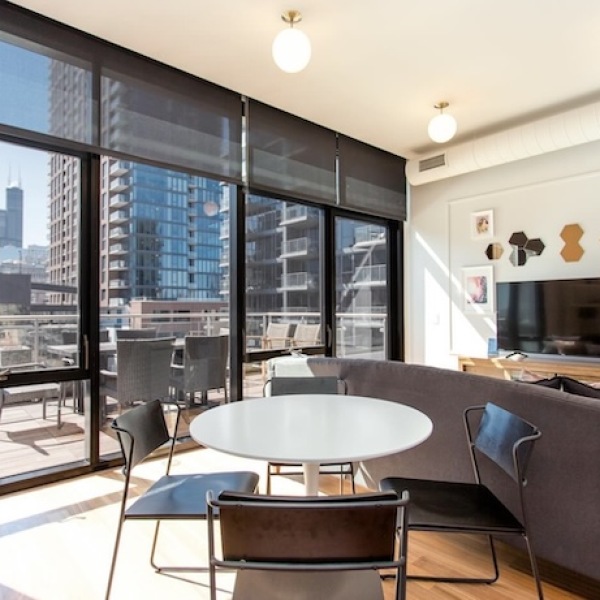
- Big windows that bring in strong natural light
- Architectural details such as exposed brick, timber, ductwork, or concrete ceilings
- Modern updates layered into older structures, like stainless steel appliances, stone countertops, and in-unit washer/dryer setups
The biggest difference from a traditional apartment is that loft space is usually less compartmentalized. Your kitchen, dining area, office nook, and living room may all share one large room. That is great for light and flow, though it does mean you need to think a little more creatively about furniture placement. A bookcase can become a wall. A rug can become a room. Your sofa may become your unofficial architect.
Industrial, soft, warehouse, and artist lofts compared
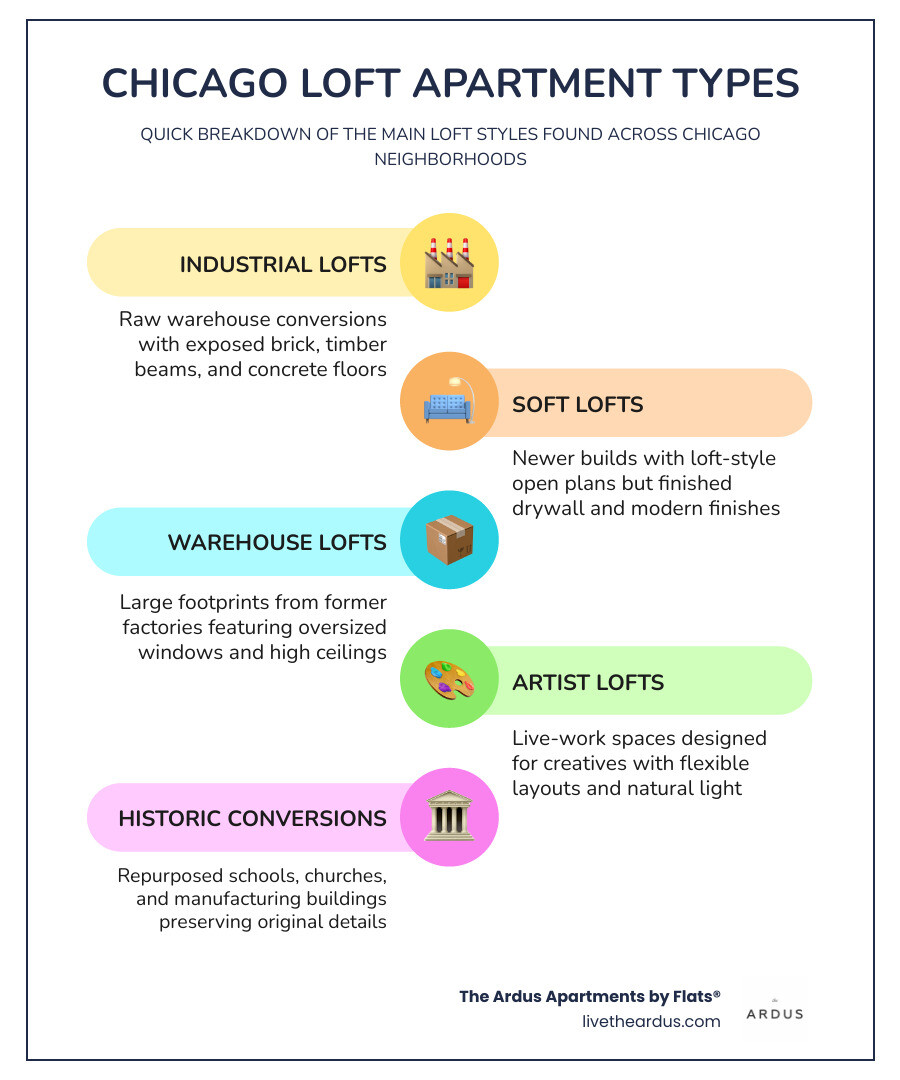
Chicago lofts are not all the same. A few common categories show up again and again:
| Loft type | What it usually means | Common features | Best fit for |
|---|---|---|---|
| Industrial loft | A true conversion from an older industrial building | Exposed brick, beams, concrete, tall ceilings, oversized windows | Renters who want authentic character |
| Soft loft | Newer construction inspired by loft design | Open layouts, higher ceilings, modern finishes, fewer original materials | Renters who want loft style with a newer feel |
| Warehouse loft | A former storage or shipping building turned residential | Large floor plates, thick columns, dramatic windows, historic details | People who want classic warehouse architecture |
| Artist loft | Space designed around live-work flexibility | Open plan, studio feel, sometimes shared creative spaces | Residents who value flexible layout and creative use |
If you want to dig deeper into specific styles, our guides to industrial lofts in Chicago and warehouse loft apartments are a helpful next stop.
Artist lofts deserve a special note. In Chicago, they often focus on flexibility more than polish. They may prioritize open floor area, higher ceilings, and a live-work feel over luxury finishes. By contrast, soft lofts usually keep the openness but add sleeker kitchens, newer systems, and amenity packages that feel more in line with full-service apartment living.
Apartment-building lofts vs condo lofts
This is one of the most important distinctions for renters.
Apartment-building lofts are managed by a professional leasing and operations team. That usually means:
- Standard lease terms
- More consistent building policies
- Centralized maintenance requests
- Shared amenity access
- A more uniform resident experience
Condo lofts are individually owned homes leased out by private owners. That can mean:
- More variation in finishes and layouts
- Different lease structures from unit to unit
- Maintenance handled through an owner or manager
- Policies that may differ by apartment
- A less predictable experience overall
Neither option is automatically better. It depends on what you value. If you want consistency and easier day-to-day support, apartment-building lofts tend to be simpler. If you want a one-of-a-kind unit with highly individual finishes, a condo loft might be worth exploring.
Best Chicago Neighborhoods for Loft Living

Chicago lofts are spread across the city, but a handful of neighborhoods are especially tied to loft living because of their industrial history, transit access, and adaptive-reuse buildings.
Loft apartment chicago il neighborhoods for downtown access and character
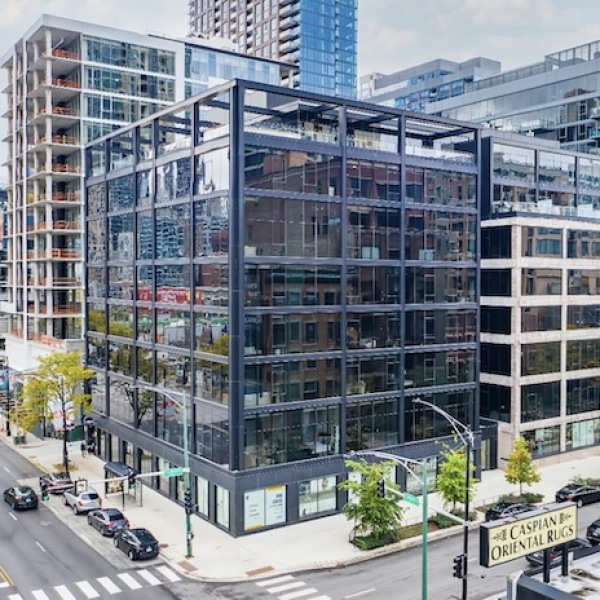
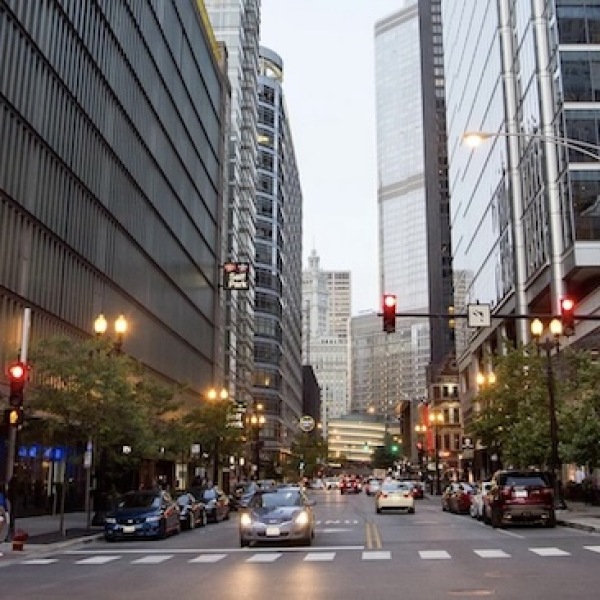
River North is one of the most recognized loft districts in Chicago. It blends downtown proximity with warehouse history, restaurants, galleries, and strong walkability. If you want a central location with a polished urban feel, start with our River North Loft Apartments Complete Guide and River North Lofts.
River West has long been a favorite for loft seekers who want industrial character with slightly more tucked-away streets. Former warehouses and commercial buildings still shape the area's identity. Our River West Lofts Chicago guide breaks that area down in more detail.
Fulton Market and the West Loop are known for mixed-use redevelopment, converted industrial stock, and a lot of energy packed into a few blocks. These neighborhoods are especially appealing for renters who want dining, nightlife, offices, and transit nearby. Explore Fulton Market lofts for rent and more apartments in Fulton Market Chicago.
South Loop also has notable loft inventory, especially in former industrial and warehouse buildings. It offers easier access to museums, lakefront routes, and downtown connections while still delivering larger-format loft spaces in certain pockets.
Neighborhoods known for school, warehouse, and mixed-use conversions
Some neighborhoods stand out less for sheer quantity and more for the kind of conversions you can find there.
- Uptown is known for historic reuse, including school conversions with preserved architectural details and easy access to the lakefront.
- Logan Square has long attracted renters who like creative, character-rich housing in repurposed buildings.
- Lakeview includes loft options in older commercial and mixed-use buildings, often with rooftop spaces and strong transit access.
- Lincoln Park has timber lofts and established condo-style loft buildings with a more residential streetscape.
These neighborhoods often feature the most memorable conversion details: original brick, giant classroom-style windows, old freight doors, concrete columns, or long hallways that hint at what the building used to be.
Features, Amenities, and Historic Details That Make Chicago Lofts Stand Out
Chicago lofts shine when old architecture and modern convenience meet in the middle.
Loft features you may not find in traditional apartments
Many lofts offer features that are less common in standard apartment layouts:
- Very tall ceilings, sometimes around 13 to 16 feet
- Lofted sleeping areas or mezzanine-style spaces
- Large corner-unit window lines
- Open kitchens that flow straight into living areas
- Fireplaces in select timber or condo lofts
- Private balconies or terraces in some renovated buildings
- Freight-elevator access in older converted properties
These features can make a loft feel bigger and brighter than a traditional apartment with the same square footage. They also make the space more adaptable. Need a work-from-home setup? A reading corner? A dining table that does not feel squeezed into a hallway pretending to be a breakfast nook? Lofts tend to handle that better.
Historic conversions: warehouses, schools, and manufacturing buildings
Chicago's best loft buildings often come from creative reuse of older structures.
Examples from around the city include:
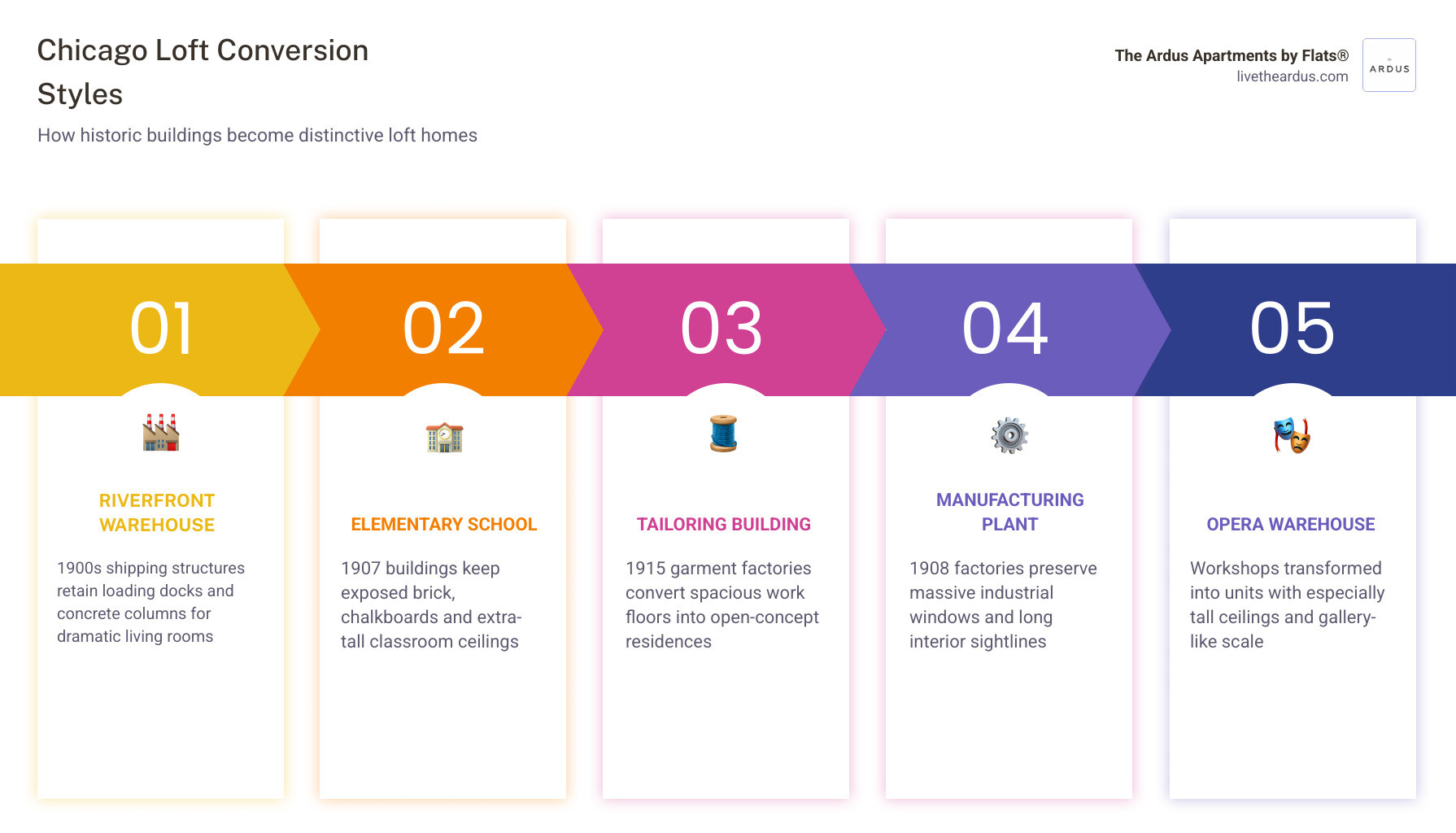
- A 1900s riverfront warehouse converted into residential lofts, with historic bones retained and later residential additions layered in
- A 1907 elementary school transformed into loft apartments, preserving exposed brick and school-era details
- A 1915 tailoring company building repurposed into loft-style residences
- A 1908 manufacturing building converted into industrial loft homes
- An opera-related warehouse and workshop adapted into dramatic residential units with especially tall concrete ceilings
These buildings keep the features that new construction cannot easily fake: thick masonry walls, huge industrial windows, timber or concrete structure, and unusual floor plans. In some school conversions, even original chalkboards or extra-tall classroom ceilings remain. In warehouse conversions, the scale of the old loading and storage spaces often translates into dramatic living rooms and long sightlines.
Modern amenities layered into vintage buildings
The best Chicago loft communities do not rely on architecture alone. Many pair historic character with modern amenity packages such as:
- Rooftop decks and sky lounges
- Fitness centers
- Co-working spaces
- Screening or media rooms
- Bike rooms
- Parking garages
- Package handling
- Storage areas
- Outdoor grills and seating
This balance is a big part of the appeal. You can enjoy exposed brick and warehouse windows without giving up conveniences that make city living smoother.
For a broader look at layouts, neighborhoods, and amenity expectations, see our Loft Apartments Chicago Complete Guide and Luxury Apartment Rentals Chicago.
Popular Loft Buildings and What Makes Them Memorable
Certain loft buildings stand out because they represent classic Chicago adaptive reuse particularly well.
Warehouse-to-loft living near the river and downtown attractions
One especially notable Chicago loft model is the riverfront warehouse conversion. In this style of building, a former industrial structure near the Chicago River is transformed into a full apartment community while preserving much of its warehouse identity. Research highlights one such conversion from a 1900s shipping-era warehouse with 285 residences and more than 74 floor plans, showing how varied loft living can be even within one building.
What makes this type of building memorable?
- Deep ties to Chicago's industrial and shipping history
- Strong access to downtown attractions
- A wide variety of floor plan options
- River-adjacent lifestyle appeal
- Historic materials mixed with modern amenity spaces
For renters, that combination often feels like the sweet spot: old soul, modern function.
Standout school, arts, and timber loft examples across the city
Beyond warehouses, Chicago has several other memorable loft categories:
- School-conversion lofts with oversized windows, broad corridors, and preserved masonry details
- Arts-center or former manufacturing lofts with especially tall ceilings and industrial proportions
- Timber lofts with exposed beams, brick walls, and warm, textured interiors
- Top-floor lofts with dramatic rooflines, skyline views, and larger windows
- Mixed-use loft buildings with retail or café space on the ground floor
These buildings tend to attract renters who care as much about atmosphere as floor plan. A timber loft feels different from a concrete loft. A school conversion feels different from a former warehouse. The structure shapes the daily experience.
Pros and cons of loft living in Chicago
Loft living has real advantages, but it is smart to go in with open eyes.
Pros:
- More natural light from oversized windows
- Flexible layouts for work, dining, and entertaining
- Strong sense of character and history
- Design-friendly spaces that are easy to personalize
- Often a greater sense of individuality than standard apartment layouts
- Community appeal in adaptive-reuse buildings with shared identity
Cons:
- Open layouts can reduce privacy
- Sound can travel more easily in some spaces
- Heating and cooling can be less uniform with very tall ceilings
- Furniture planning matters more when rooms are not clearly defined
- Older windows or building systems may require closer inspection
In short: lofts are great for people who enjoy openness, light, and architectural personality. They are less ideal if you want every room fully enclosed and acoustically separate.
Practical Renting Tips for Choosing the Right Chicago Loft
A loft can look amazing online and still be the wrong fit in person. Touring carefully matters.
Utilities, parking, and seasonal timing to consider
Utilities deserve more attention in lofts than many renters expect. High ceilings and large windows are beautiful, but they can also affect how a space heats and cools. During a tour, check:
- Window condition and drafts
- HVAC placement and reach
- Whether the bedroom area gets enough airflow
- How much afternoon sun the unit receives
Parking is another big one. Some loft buildings include garage options, some rely on nearby leased parking, and others leave you to decode street signs like a part-time urban archaeologist. Ask:
- Is parking on-site?
- Is it covered or uncovered?
- Are there move-in loading procedures?
- Is there guest parking nearby?
Timing matters too. Inventory changes through the year, and availability can shift quickly in popular neighborhoods. Casting a wider net or being flexible on move-in timing can help you see better options. For a broader apartment search strategy, check our Chicago Apartment Rentals Ultimate Guide.
How to find available loft apartments in Chicago IL
If you are actively searching for a loft apartment Chicago IL, use a focused process instead of scrolling until your eyes blur.
Start with:
- Neighborhood-based searches
- Filters for loft or open-concept floor plans
- Virtual tours to narrow options before visiting
- Building websites for current availability
- Maps to compare transit, walkability, and daily errands
Research shows there are currently 945 loft rentals listed across Chicago, so the challenge is usually less about whether options exist and more about finding the right type in the right area.
Helpful search resources include HUD apartment search tips and CTA transit planning, especially if you want your commute and your loft to get along.
Questions to ask before signing a lease
Before you commit, ask practical questions that go beyond the photo gallery:
- How quickly are maintenance requests typically handled?
- How much sound transfer should we expect between units?
- Is there dedicated storage?
- Are there passenger and freight elevators?
- How are packages handled?
- What are the guest policies?
- What are the move-in procedures?
- Is there a two-pet limit per apartment?
- Are there any quirks with the layout, window coverings, or bedroom privacy?
Those answers can tell you a lot about day-to-day life in the building.
Frequently Asked Questions About Loft Apartment Chicago IL
What is the average size and layout style of a Chicago loft?
Chicago lofts usually favor open-concept layouts and often feel larger than traditional apartments because of their vertical volume and window size. Layouts can include wide one-bedroom plans, split-bedroom designs, corner units, duplex lofts, and spaces with flexible areas for desks or dining. The key trait is adaptability rather than a rigid room-by-room setup.
Are loft apartments in Chicago mostly historic conversions or new builds?
Both exist, but historic conversions remain a defining part of Chicago loft living. Many sought-after lofts come from repurposed warehouses, schools, factories, and commercial buildings. At the same time, newer soft-loft construction offers similar openness and style cues in a more contemporary package. If you want authenticity, look toward adaptive-reuse buildings. If you want newer systems with loft-inspired design, soft lofts are worth a look.
What should renters inspect during an in-person loft tour?
Focus on the details that photos often hide:
- Window condition and insulation
- Actual ceiling height and how it affects comfort
- Natural light at the time you would usually be home
- Noise from hallways, streets, or neighboring units
- HVAC coverage in open sleeping areas
- Storage space
- Elevator access for move-ins and groceries
- Kitchen ventilation
- Any awkward furniture zones caused by columns or layout angles
A loft should feel inspiring, but it should also work on a Tuesday in February, not just in listing photos.
Conclusion: Finding the Right Loft Fit in Chicago
The best Chicago loft is the one that matches your daily life as much as your design taste. Start with the building type. Then narrow by neighborhood, commute, and the level of historic character you want. Some renters want warehouse bones and riverfront energy. Others want a softer loft feel with modern finishes and a smoother amenity package.
If you are exploring loft living in River North, we invite you to use this guide as your checklist: layout, light, building history, management style, amenities, parking, and transit access all matter.
For a deeper next step, visit our full Loft Apartments Chicago Complete Guide. At The Ardus Apartments by Flats®, we bring together historic warehouse character and modern River North living in one distinctive Chicago address.