

What Are Warehouse Loft Apartments? A Quick Guide for Industrial Style Seekers
Warehouse loft apartments are residential spaces created by converting former industrial buildings — factories, warehouses, and manufacturing facilities — into open, stylish homes that preserve their original architectural character.
Here's what makes them stand out at a glance:
| Feature | What to Expect |
|---|---|
| Ceiling height | 14-16 feet on average |
| Floor plan | Open, minimal interior walls |
| Windows | Large, factory-style, 10+ feet tall |
| Surfaces | Exposed brick, raw concrete, visible ductwork |
| Location | Urban core neighborhoods, former industrial districts |
| Vibe | Industrial chic meets modern comfort |
There's something hard to ignore about a space where the history is literally built into the walls. Soaring ceilings. Massive windows flooding the room with light. Exposed brick that tells the story of the building's past life.
Warehouse lofts started as a grassroots movement in 1950s Manhattan, where artists moved into abandoned factory spaces seeking large, open studios. This practice of adaptive reuse helped preserve historic structures while creating unique living environments. Over the following decades, zoning changes and tax incentives helped turn that informal trend into a legitimate — and highly sought-after — housing category that spread to cities like Chicago, Atlanta, and Minneapolis.
Today, these spaces appeal strongly to people who want something more than a standard apartment. Not just a place to sleep, but a living environment with personality, volume, and flexibility.

The Industrial Evolution: Defining Warehouse Loft Apartments
When we talk about Warehouse loft apartments, we are diving into a world of adaptive reuse. This is the process of taking a building that was originally designed for one purpose—like manufacturing shoes, storing dry goods, or printing newspapers—and giving it a second life as a residential home.
The evolution of these spaces is a fascinating journey through urban history. In the mid-20th century, many industrial businesses moved out of city centers to larger, more modern facilities in the suburbs. This left behind massive, empty structures in neighborhoods like Chicago’s River North and West Loop.
What started as an "underground" movement by the creative community has become a cornerstone of urban revitalization. These buildings, once busy with heavy machinery and factory lines, now offer a unique living experience that celebrates the "industrial grit" of the past while embracing the luxury of the present.

Key Architectural Features of Warehouse Loft Apartments
What exactly makes a warehouse loft feel like a loft? It’s all in the bones of the building. Unlike traditional apartments that rely on drywall and standard dimensions, warehouse lofts highlight their structural elements.
- Exposed Brick and Concrete: Instead of hiding the building’s structure behind plaster, lofts celebrate it. You’ll often find original red or cream city brick walls and polished concrete floors that are as durable as they are stylish.
- Soaring Ceilings: It is common to find 14-foot ceilings, and in some two-story units, they can reach up to 26 feet. This vertical volume creates a sense of grandeur that you simply won’t find in a standard build.
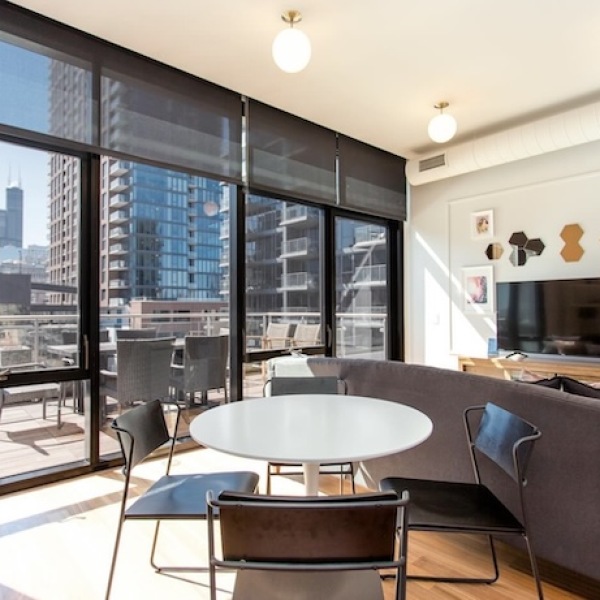
- Massive Factory Windows: These aren't your average windows. Original factory windows are often 10 feet tall or more, designed to let in maximum natural light for workers back in the day. Now, they provide stunning city views and keep your space feeling bright and airy.
- Visible Ductwork and Piping: In a warehouse loft, the "guts" of the building—like HVAC ducts and water pipes—are often left exposed and painted to match the aesthetic. It adds to the raw, honest feel of the architecture.
- Timber Beams and Steel Trusses: Depending on the age of the building, you might see massive old-growth timber columns or industrial steel beams supporting the roof.
Warehouse vs. Timber vs. Soft Lofts: Understanding the Differences
Not all lofts are created equal. If you are searching for warehouse-style apartments in Chicago, you will likely encounter three main types: warehouse lofts (often called "hard lofts"), timber lofts, and soft lofts.
Hard Lofts (Authentic Warehouse Conversions)
These are the "real deal." They are located in buildings that were actually used for industrial purposes. They have the most history, the thickest walls, and the most unique quirks. Because they were built for heavy machinery, they often have incredible sound insulation between floors.
Timber Lofts
A subset of the warehouse loft, lofts in West Loop Chicago often feature this style. Instead of concrete pillars, these buildings use massive wood posts and beams. They often have wood-plank ceilings, which give the industrial space a warmer, more organic feel.
Soft Lofts
Soft lofts are modern buildings designed to look like lofts. They might have high ceilings and some exposed concrete, but they are brand-new constructions. While they lack the historical "soul" of a conversion, they often offer better energy efficiency and more traditional closet space.
| Feature | Authentic Warehouse Loft | Soft Loft |
|---|---|---|
| Age | 50–100+ years old | Newly constructed |
| Acoustics | Thick concrete/brick (quiet) | Modern insulation (standard) |
| Walls | Often partial-height for light | Usually full-height for privacy |
| Character | High (original imperfections) | Moderate (manufactured style) |
| Efficiency | Can be challenging to heat/cool | High (modern standards) |
Top Cities and Neighborhoods for Industrial Living
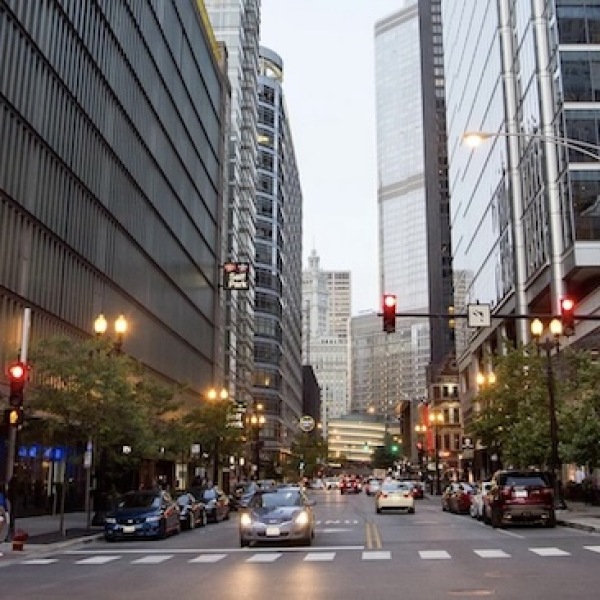
If you are looking for the heart of loft culture, Chicago is arguably the gold standard. The city's industrial past has left a legacy of incredible buildings that have been masterfully converted into homes.
River North
This neighborhood is a premier destination for those seeking River North lofts. Once a district of warehouses and shipping hubs, it is now one of the most vibrant areas in the city. Living here means you are steps away from world-class art galleries, hidden-gem coffee shops, and the best of the Chicago dining scene. For a deeper dive, check out our River North loft apartments complete guide.
West Loop and Fulton Market
The West Loop was once the city's meatpacking district. Today, it is a culinary and tech powerhouse. The warehouse lofts here are iconic, often featuring large loading-dock-style balconies and proximity to some of the most famous restaurants in the world.
Modern Amenities in Warehouse Loft Apartments
Living in a historic building doesn't mean living in the past. Modern Warehouse loft apartments are packed with conveniences that make urban life a breeze. When we transform these buildings, we make sure to balance the old-world charm with high-end upgrades.
- Rooftop Lounges and Pools: Many converted warehouses utilize their flat roofs to create stunning community spaces. Imagine a rooftop lounge with skyline views, perfect for a summer evening.
- Fitness Centers: Why join a gym when you have a full-service fitness center right in your building? Many lofts offer state-of-the-art equipment in an inspiring, industrial setting.
- In-Unit Laundry: While historic, these apartments are updated with modern appliances, including the must-have in-unit washer and dryer.
- Chef-Inspired Kitchens: You’ll often find granite or quartz countertops, cherry or modern minimalist cabinetry, and stainless steel appliances that look great against a backdrop of exposed brick.
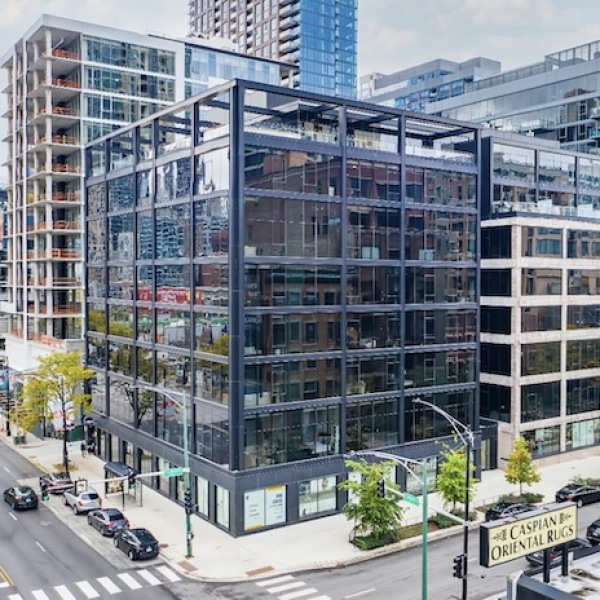
- On-Site Perks: Some of the best loft buildings, like The Ardus, even include on-site coffee shops and co-working spaces, making them perfect for the modern professional.
Essential Considerations for Loft Living
Before you sign a lease on that dreamy open space, there are a few practical things to consider. Loft living is a lifestyle choice, and like any choice, it comes with its own set of unique factors.
Climate Control and Utilities
Those 14-foot ceilings are gorgeous, but they mean there is a lot of air to heat and cool. Because Warehouse loft apartments often have large windows and exterior brick walls, your utility costs might be slightly higher than in a small, carpeted "cookie-cutter" apartment. We recommend using ceiling fans to help circulate air and choosing window treatments that can help insulate during the peak of winter or summer.
Noise and Privacy
The open floor plans that make lofts so appealing can also mean that sound travels. If you live with a partner or a roommate, you might need to get creative with acoustic panels, area rugs, and tall bookshelves to create "zones" of privacy. On the plus side, the thick concrete floors of authentic warehouse conversions often mean you won't hear a peep from your neighbors above or below you.
Pet-Friendly Living
Many people find that lofts are perfect for pets. The durable concrete floors are easy to clean, and the open floor plans give your furry friends plenty of room to roam. Most high-quality lofts have a two-pet limit per apartment and may require a pet screening to ensure a happy community for everyone. For more tips on navigating the rental market, see our River North lofts for rent ultimate guide.
Frequently Asked Questions about Warehouse Lofts
Are warehouse loft apartments pet-friendly?
Yes, the majority of warehouse lofts are very welcoming to pets. The industrial nature of the buildings—think concrete floors and sturdy materials—makes them much more pet-resilient than traditional apartments with delicate hardwood or carpet. At most properties, there is a two-pet limit per apartment. You might also find amenities like on-site pet washing stations or proximity to urban dog parks.
What utilities are typically higher in a warehouse loft?
Heating and cooling are the main utilities that can run higher. This is due to the "vertical volume" of the space. While a standard apartment might have 8-foot ceilings, a loft has double that height, meaning your HVAC system has to work harder to maintain the temperature at the floor level. However, many residents find that the abundance of natural light from massive windows can help reduce the need for electric lighting during the day.
How can I identify high-quality warehouse loft apartments?
Look for properties in established industrial districts that have undergone thoughtful adaptive reuse. Prioritize buildings that blend historical preservation with contemporary design and amenities, often found in revitalized urban centers like Chicago's River North. A high-quality conversion will have updated windows (for better insulation), modern elevators, and well-maintained common areas that still showcase the building's original character.
Conclusion
Warehouse loft apartments offer more than just a place to live—they offer a connection to the city's history and a canvas for your personal style. Whether you are drawn to the soaring 14-foot ceilings, the texture of century-old brick, or the vibrant energy of a neighborhood like River North, there is no denying the allure of the industrial lifestyle.
At The Ardus Apartments, we have taken a former warehouse and transformed it into a sanctuary for modern urban dwellers. By blending the building's original soul with contemporary luxuries like a rooftop lounge and an on-site coffee shop, we provide a living experience that is truly "from factory to fabulous."
Ready to see the vertical advantage for yourself? Explore our luxury amenities and find your perfect fit in the heart of Chicago.