

Introduction to Chicago Loft Living
Loft Apartments Chicago offer a unique blend of historic industrial charm and modern urban living, characterized by open floor plans, exposed brick, high ceilings, and large windows.
Quick Guide to Chicago Loft Apartments:
| Feature | What to Know |
|---|---|
| Available Units | Over 1,000 loft apartments currently on the market |
| Top Neighborhoods | River North, West Loop, South Loop, Fulton Market, Noble Square |
| Key Features | Exposed brick walls, 10+ foot ceilings, open floor plans, large windows, industrial elements |
| Types | Hard lofts (converted warehouses), Timber lofts (wooden beams), Soft lofts (new construction) |
Chicago's loft apartments trace their roots to the 1960s, when artists began converting abandoned warehouses into living spaces. Today, these distinctive homes remain highly sought after for combining the city's industrial legacy with contemporary design.
The appeal is simple: loft apartments provide more vertical space and square footage than traditional studios, with flexible layouts that let you define your own living zones. Whether you're drawn to authentic warehouse conversions with original timber beams or modern developments that recreate the loft aesthetic, Chicago's diverse neighborhoods offer options for every preference.
The city's manufacturing past left behind buildings ripe for residential conversion. Neighborhoods like River North and West Loop have transformed from industrial districts into vibrant communities where historic architecture meets modern urban living, often with amenities like fitness centers and rooftop lounges.
The Industrial Past That Shaped Chicago's Lofts
The story of Loft Apartments Chicago begins with the city's manufacturing heyday. In the late 19th and early 20th centuries, massive warehouses and factories were built with thick brick walls and towering ceilings to house heavy machinery.

As industries shifted in the 1960s, these structures were repurposed, first by artists and later by residents drawn to the grand, open spaces. The architectural features ideal for industry—soaring ceilings, massive windows, and robust timber beams—became the hallmarks of desirable homes. This evolution of warehouse conversions preserved a chapter of Chicago's history.
Today, the trend continues with office-to-multifamily conversions, adding more variety to the loft market and ensuring the city's industrial legacy continues to shape modern living.
Defining Features of a Chicago Loft
Chicago lofts tell a story through their architecture, connecting residents to the building's industrial past.
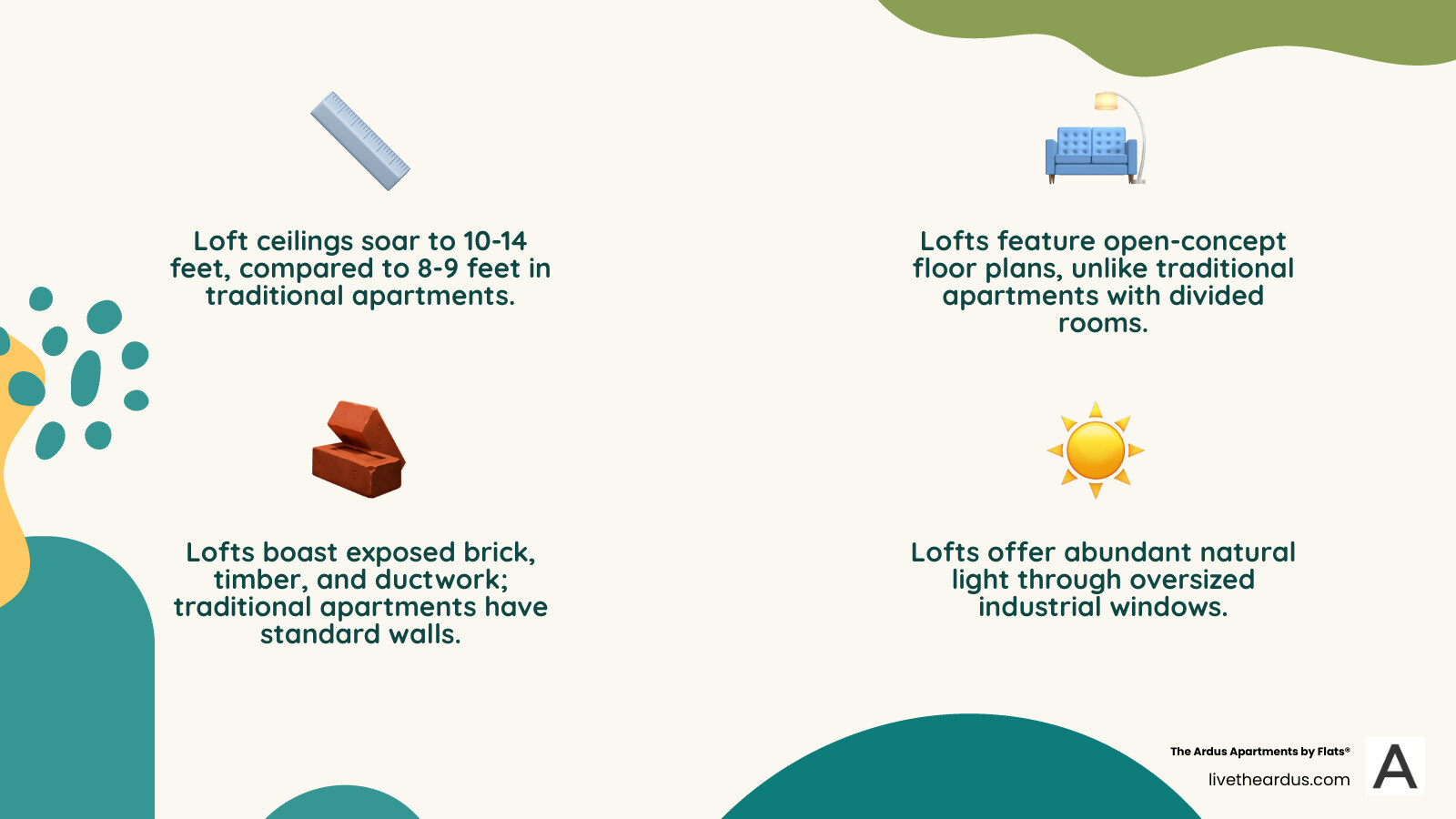
- Exposed Brick and Timber Beams: These are often the original structural elements, adding warmth, texture, and a sense of history.
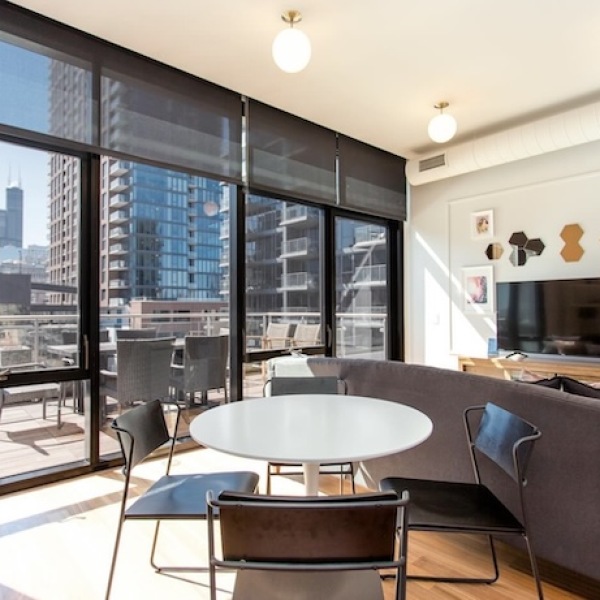
- High Ceilings and Large Windows: Ceilings of 10 feet or more, combined with oversized windows, create an airy, light-filled atmosphere.
- Open-Concept Layouts: The absence of interior walls provides the ultimate flexibility to design a living space that fits your lifestyle.
- Industrial Details: Exposed ductwork, pipes, and polished concrete floors reinforce the urban-industrial vibe, while some conversions feature hardwood floors for a warmer feel.
These elements combine to create Chicago Apartments with Character, offering a living experience unlike a traditional apartment.
Types of Loft Apartments
Understanding the different types of Loft Apartments Chicago can help you find the right fit.
- Hard Lofts: Also known as true lofts, these are authentic conversions of former warehouses or factories. They feature original exposed brick, timber beams, and industrial windows. The Ardus Apartments exemplifies this approach, changing a historic warehouse while preserving its industrial character.
- Timber Lofts: A subcategory of hard lofts, these are distinguished by heavy wooden construction, including thick beams, columns, and wood-planked ceilings that create a rustic-industrial feel.
- Soft Lofts: These are newer buildings designed to mimic the loft aesthetic. They offer high ceilings, large windows, and open floor plans but are built with modern materials and often include contemporary amenities from the start.
Top Neighborhoods for Loft Apartments Chicago
Chicago's industrial heritage created neighborhoods where old factories have been reimagined as stunning residential spaces. While Loft Apartments Chicago are found across the city, certain areas have become destinations for this style of living.

- River North: At the heart of the loft scene, this neighborhood pulses with creative energy from galleries, design studios, and renowned restaurants. The Ardus Apartments is located here, part of a community that honors its industrial roots.
- West Loop: Once a meatpacking district, this area is now a dynamic neighborhood famous for its restaurant scene and stylish loft conversions.
- South Loop: This area offers loft living with exceptional access to Museum Campus and Grant Park, blending historic charm with cultural attractions.
- Fulton Market: Adjacent to the West Loop, this former industrial zone buzzes with innovative restaurants and tech companies, offering distinctive loft spaces.
- Noble Square: For a quieter atmosphere, this residential area features more intimate converted buildings.
When choosing a neighborhood, consider factors like walkability and transit. Understanding how Walk Score works can help evaluate different areas. For a deeper look, see this guide to Apartments for Rent in River North Chicago, IL.
Exploring River North Loft Apartments
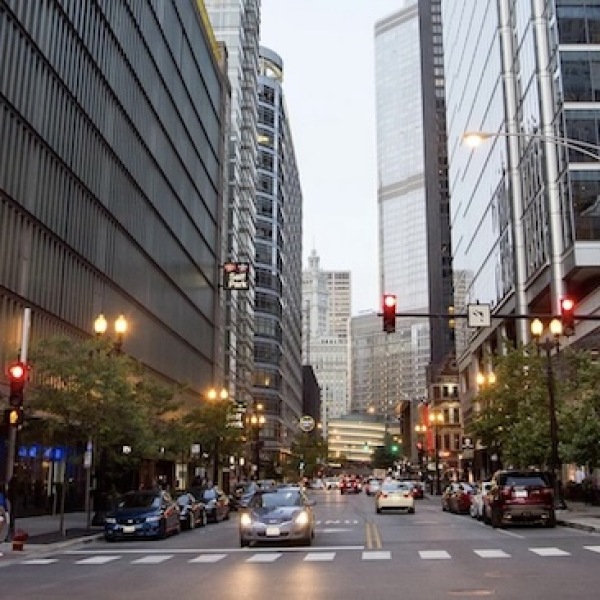
River North brings together urban energy and historical character. The neighborhood's artistic soul is evident in its many galleries and design showrooms, creating a vibrant atmosphere. Its dining scene is one of the city's best, offering endless options for any occasion.
The location is also a major draw. With downtown just steps away, commutes are straightforward, and the Loop's business district and theaters are within easy reach. Excellent public transportation connects the area to the rest of the city.
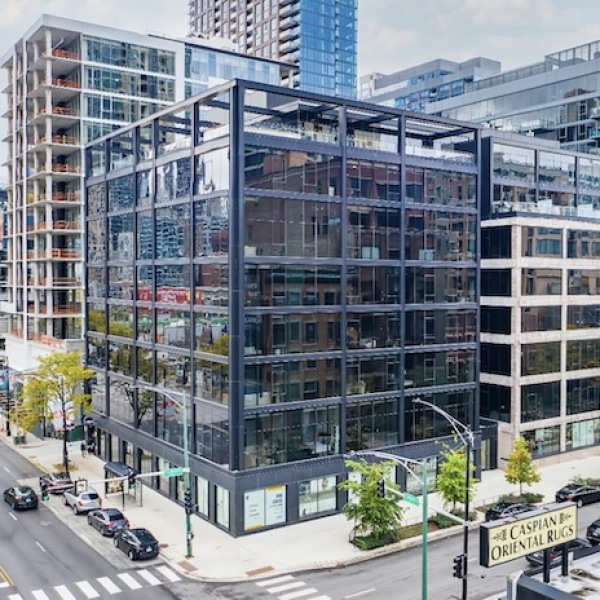
The Ardus Apartments embodies the spirit of River North. The building honors its warehouse origins with exposed brick and industrial elements while providing the modern amenities and design today's residents expect. Explore the area's attractions on the Neighborhood page or get the River North Loft Apartments Complete Guide.
The Appeal of West Loop and South Loop Lofts
The West Loop and South Loop also offer compelling loft living experiences. The West Loop has transformed from an industrial hub to a culinary destination, with former warehouses now housing both celebrated restaurants and stunning loft conversions. The neighborhood feels perpetually alive with trendy bars, boutiques, and creative businesses.
The South Loop provides remarkable access to the city's cultural treasures, including Museum Campus and the vast green space of Grant Park. This combination of culture and nature makes it highly appealing. Loft buildings in both neighborhoods balance historical authenticity with modern comfort, proving that honoring the past doesn't mean sacrificing convenience.
The Loft Lifestyle: Amenities, Pros, and Cons
Choosing a Loft Apartments Chicago is an accept of a distinctive lifestyle that blends industrial history with modern convenience. Contemporary loft buildings, whether restored warehouses or new constructions, offer an impressive array of amenities.
Common features include in-unit laundry, well-equipped fitness centers, and secure package systems. A standout amenity in many loft buildings is the rooftop lounge, offering panoramic city views and a perfect spot to relax or socialize. The Ardus Apartments features a rooftop lounge that has become a cherished community space.
Shared areas like lounges and screening rooms foster a sense of community among residents. At The Ardus, an on-site coffee shop serves as a natural gathering spot. To see a full list of features, explore the Amenities page.
Pros and Cons of Loft Living
Living in a Chicago Loft is a unique experience with distinct advantages and considerations.
Pros:
- Open Space and Flexibility: Expansive floor plans with minimal walls provide a blank canvas to design living, working, and dining zones.
- Abundant Natural Light: Massive, oversized windows flood the space with natural light, creating a bright, uplifting atmosphere.
- Unique Character: Exposed brick, timber beams, and visible ductwork offer a tangible connection to the city's industrial past that cannot be replicated.
- High Ceilings: Soaring ceilings of 10 feet or more create a sense of grandeur and openness, making even smaller footprints feel expansive.
Cons:
- Potential for Noise: The open-concept design means sound can travel more freely throughout the space.
- Energy Consumption: Heating and cooling large, open areas with high ceilings and big windows can require more energy than a standard apartment.
- Fewer Defined Rooms: The lack of interior walls means less inherent privacy, which can be a consideration for roommates or families.
- Limited Storage: Lofts may have less built-in closet space, often requiring creative storage solutions like wardrobes or shelving systems.
For many, the unique charm and flexibility of loft living far outweigh these practical considerations.
How to Find Your Perfect Chicago Loft
Finding the perfect Loft Apartments Chicago is an exciting journey. The key is knowing what to look for and where to focus your search.
Start your search online with purpose. Use filters on rental platforms to narrow down results by neighborhood, bedroom count, and keywords like "exposed brick" or "high ceilings." This helps you find spaces that fit your vision. Sites like Chicago Loft Rentals can provide an overview of the current market.
Explore different property types, from authentic hard lofts in converted warehouses to modern soft lofts with industrial-inspired design. Each offers a different experience.
Carefully review Floorplans to visualize how you will use the open-concept layout. Consider how your furniture will define different zones for sleeping, working, and entertaining.
Location is just as important as the apartment. Consider what daily life will look like in neighborhoods like the art-focused River North or the culinary-centric West Loop.
Finally, schedule tours of your top choices. Seeing a space in person (or virtually) is the best way to get a feel for the light, flow, and overall atmosphere. Pay attention to details like sound travel and the quality of natural light. Taking time to explore thoughtfully will lead you to a space that feels like home.
Frequently Asked Questions about Loft Apartments Chicago
The unique nature of lofts brings up many questions. Here are answers to some of the most common inquiries about Loft Apartments Chicago.
What are the main benefits of living in a loft apartment?
The main benefits of loft living include:
- Unique Character: Exposed brick, timber beams, and other industrial elements provide a tangible connection to Chicago's history.
- Open Floor Plans: The lack of interior walls offers freedom and flexibility to design a living space that suits your lifestyle.
- Abundant Natural Light: Oversized industrial windows fill the space with natural light, creating a bright and welcoming atmosphere.
- Flexible Living Space: Generous square footage allows the home to adapt to changing needs, blending historic architecture with modern finishes.
Are loft apartments suitable for families?
Yes, many families find that loft apartments offer surprising advantages. The spacious layouts provide room for children to play and encourage family interaction. With creative use of furniture and screens, semi-private zones can be established. Additionally, many loft neighborhoods like the South Loop offer excellent access to parks and cultural resources. Families should review floorplans to ensure the layout meets their privacy and daily routine needs.
What should I look for when touring a loft apartment?
When touring a loft apartment, pay attention to unique features that impact daily life:
- Ceiling Height: Note the exact height, as it significantly affects the sense of space.
- Window Size and Direction: Observe the amount and quality of natural light at different times of day.
- Sound Travel: Test how sound carries in the open space, as hard surfaces can amplify noise.
- Storage Options: Assess the available closet space and consider if you'll need creative storage solutions.
- Condition of Historic Elements: In hard lofts, examine the state of the exposed brick and timber. Well-maintained features, like those at The Ardus Apartments, indicate a well-cared-for building.
- HVAC System: Inquire about the heating and cooling system to ensure it can efficiently manage the large, open space for year-round comfort.
Conclusion: Accept the Unique Charm of Chicago Lofts
Choosing a Loft Apartments Chicago is an accept of a lifestyle that weaves the city's industrial heritage with modern urban living. It's about coming home to a space where history breathes through exposed brick and soaring ceilings, while contemporary comforts are at your fingertips.
From the converted warehouses of the West Loop to the sophisticated River North Lofts, these homes offer a character and authenticity not found in traditional apartments.
The Ardus Apartments stands as a testament to this vision, a historic warehouse thoughtfully transformed into sophisticated living spaces that honor the building's past. Residents become part of Chicago's living history.
The beauty of loft living lies in its flexibility, personality, and connection to vibrant neighborhoods. Explore this distinctive way of living and find the unique charm and sense of space that awaits in Loft Apartments Chicago. Your perfect blend of history and modernity is ready to welcome you home.