

Key Differences Between Residential Lofts and Other Studio Spaces
When searching for a studio loft for rent chicago, it is helpful to clarify your daily needs early on. Chicago features a rich ecosystem of converted spaces, ranging from long-term residential homes to hourly commercial environments. Over 60% of creative professionals in Chicago choose open loft setups because flexible layouts adapt seamlessly to different lifestyle needs without requiring fixed spatial barriers.
Distinguishing Commercial Studios from Residential Leases
Commercial creative spaces serve short-term production needs. These locations often feature customizable set walls, specialized lighting mounts, and props tailored for quick, high-turnover projects. In contrast, residential studio lofts are crafted for daily life. A residential lease provides continuous occupancy, built-in kitchen appliances, full bathroom installations, sound insulated walls, and residential zoning.
When evaluating potential properties, verify that the lease agreement permits standard residential living rather than commercial booking. Commercial spaces often lack standard residential amenities, such as full-sized refrigerators, dedicated HVAC climate controls, or secure personal storage areas. Exploring our Chicago Loft Rentals Complete Guide 2026 offers additional background on how industrial properties transition into full-time residential addresses.
Identifying Dedicated Residential Loft Features
Dedicated residential studio lofts balance historical character with functional home systems. While a production set might focus exclusively on floor space and light angles, a home loft prioritizes long-term comfort and livability. Look for properties featuring integrated storage solutions, modern heating and cooling systems, sound attenuation between floors, and fully equipped gourmet kitchens.
The appeal of residential lofts lies in their open-concept design. Without interior dividing walls, light moves freely across the living room, sleeping nook, and workspace, creating an inviting atmosphere throughout the day. Converted industrial structures offer a unique sense of scale and craftsmanship that modern timber-framed construction rarely replicates, blending urban history with everyday elevated living.
Essential Factors When Searching for a Studio Loft for Rent Chicago
Finding the right loft requires looking past surface styling to inspect structural quality, building systems, and lighting conditions.
Tip 1: Evaluate Daylight and Natural Light in a Studio Loft for Rent Chicago
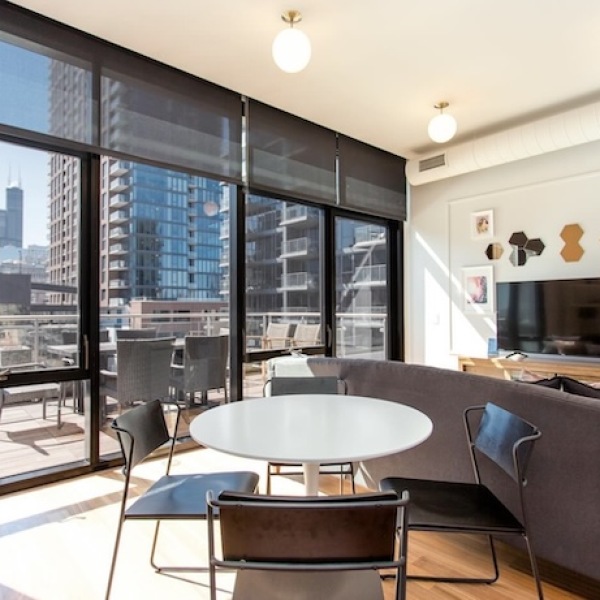
Natural lighting shapes the atmosphere of any studio workspace or living area. Loft spaces featuring large south- or east-facing windows capture steady daylight throughout the morning and afternoon. Studios designed with neutral interior tones amplify this light, creating bright, open rooms that feel expansive even during Chicago winters. Look for oversized window banks that maximize sun exposure across the entire floor plan. Large window panes also contribute to lower artificial lighting needs during daylight hours, enhancing the psychological openness of open-concept living.
Tip 2: Inspect Timber Beams, Exposed Brick, and Ceiling Heights
Architectural details give Chicago lofts their iconic character. Historic industrial conversions frequently feature structural timber beams, exposed brick masonry, and soaring ceiling heights reaching up to 26 feet.
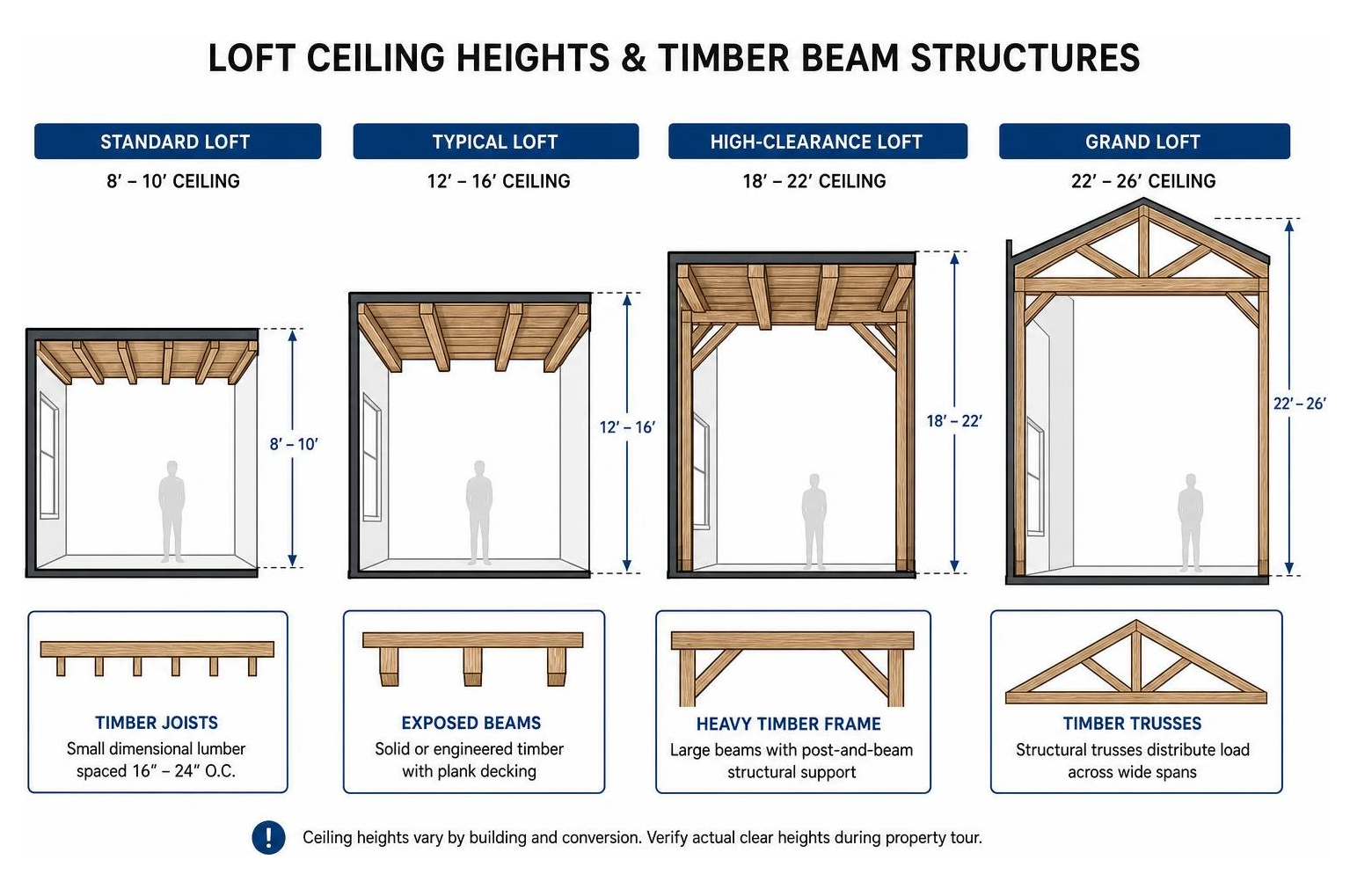
These features preserve the building’s industrial heritage while creating an open vertical environment. When touring a potential space, check that exposed masonry is properly sealed to prevent dust accumulation and ensure timber structures are well-maintained. Original hardwood floors or polished concrete slabs further complement structural woodwork, adding tactile authenticity to the spatial atmosphere.
Tip 3: Verify Curated Furnishings and Multi-Functional Amenities
Modern studio lofts emphasize efficient space utilization. Look for spaces that incorporate functional design solutions, such as built-in kitchen islands, dedicated work areas, and sleek interior finishes. Many restored warehouse properties also provide extended building amenities, such as community lounges, state-of-the-art fitness rooms, or expansive rooftop decks with panoramic city views. If you are exploring industrial conversion options, read our guide on Warehouse Loft Apartments to see how historic framework integrates with modern amenities.
Tip 4: Maximize Flexible Layouts in Your Studio Loft for Rent Chicago

The primary advantage of a studio loft is layout versatility. Without static walls dictating room boundaries, you can establish distinct zones using area rugs, lighting placement, open shelving, or modular furniture arrangements.
To organize an open layout effectively:
- Place sleeping furniture in the quietest, lowest-traffic corner of the loft, perhaps using accent screens for privacy.
- Position your desk or workspace near primary window openings to utilize natural light throughout the workday.
- Group seating around central architectural anchors, like an exposed brick feature wall or high industrial timber posts.
To learn more about organizing compact living layouts, check out our resource on Studio Apartments Chicago.
Evaluating Neighborhood Accessibility and Transit Connections

Location dictates your day-to-day convenience. Chicago's network of distinct neighborhoods offers varying levels of transit connectivity, creative community hubs, and commercial services.
Tip 5: Choose Neighborhoods with Strong Transit Proximity
A central consideration when choosing a loft is proximity to public transportation managed by the Chicago Transit Authority. Properties located near major CTA rail stations, such as Western EL train stops or primary bus corridors like the Armitage route, offer fast connections across the city. Being within a short walk of transit lines typically translates to a smooth 15-to-20-minute commute to downtown business districts. Check out our overview of Industrial Lofts For Rent Chicago for more context on transit-oriented neighborhoods.
Tip 6: Confirm Building Access and Infrastructure
Industrial conversions present unique physical structures. Ensure the building features updated, reliable elevator systems capable of handling furniture moves efficiently. Additionally, evaluate move-in access points, freight access, package receiving setups, secure entry control, and nearby street parking options for guests. Modernized infrastructure ensures that historic aesthetics do not compromise modern convenience.
Tip 7: Research Local Neighborhood Amenities and Creative Hubs
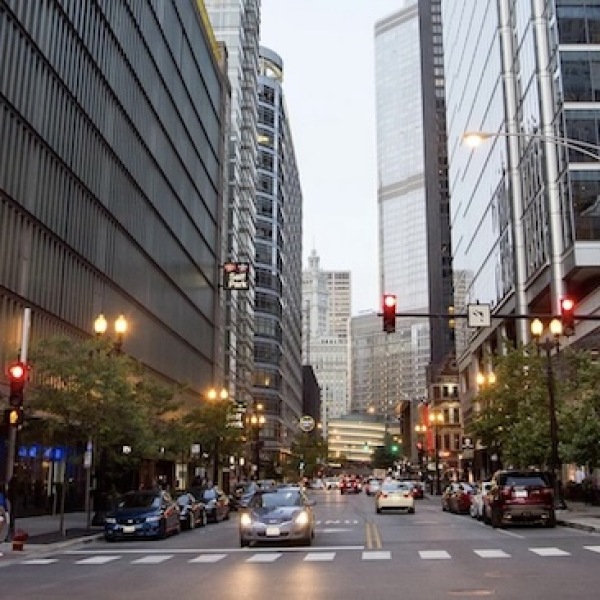
Living in creative neighborhoods like River North or the West Loop puts dining, independent coffee shops, art galleries, and retail within walking distance. These vibrant districts offer a blend of historic charm and modern energy. For a deeper look at one of Chicago’s premier loft districts, review our Studio Apartments River North Ultimate Guide.
How Studio Lofts in Chicago Compare Across Uses
Understanding how different loft configurations compare helps narrow down your search options based on how you intend to use the space long-term.
| Feature / Property Type | Residential Studio Loft | Traditional Studio Apartment | Converted Factory Loft |
|---|---|---|---|
| Architectural Features | Timber beams, high ceilings, exposed brick | Drywall finishes, standard 8-9 ft ceilings | Ultra-high ceilings (up to 26 ft), structural columns |
| Natural Lighting | Oversized industrial windows | Standard residential windows | Skylights, multi-story window banks |
| Layout Flexibility | High open-concept versatility | Fixed spatial zones | Highly adaptable open floor plan |
| Lease Structure | Standard residential long-term lease | Standard residential long-term lease | Varies (Residential long-term or event space) |
| Building Amenities | Rooftop lounges, fitness centers, entry control | Standard apartment facilities | Varies by individual developer conversion |
Frequently Asked Questions About Studio Loft Rentals
What architectural features define a classic studio loft in Chicago?
Classic Chicago studio lofts are defined by their industrial heritage. Standard features include structural timber beams, exposed brick walls, exposed ductwork, polished concrete or original hardwood floors, and soaring ceilings. Large industrial window banks are also a hallmark, flooding open interiors with abundant daylight while preserving authentic warehouse character.
Are studio lofts suitable for both working from home and everyday living?
Yes, open-concept studio lofts provide exceptional environments for working from home. The generous square footage allows residents to set up dedicated workspaces without encroaching on living or sleeping zones. Positioning work desks near natural light sources creates an energizing remote work environment while keeping everyday residential functions distinct.
How accessible are Chicago loft buildings via public transit?
Most major loft conversion developments are positioned along historic industrial transit corridors. As a result, many lofts sit within short walking distance of CTA EL train stops (such as the Blue, Pink, or Brown lines) and primary CTA bus routes, allowing residents to reach downtown Chicago in 15 to 20 minutes.
Finding Your Ideal Home in Chicago
Selecting a studio loft for rent chicago comes down to finding a space that combines historical character with modern functional design. From timber beams and exposed masonry to large daylight windows and flexible floor plans, industrial loft conversions deliver a living experience unmatched by standard apartment layouts.
Before choosing a loft, create a simple tour checklist that covers the features most likely to shape daily routines. Note where the strongest daylight enters, how furniture could divide the open floor plan, whether the kitchen supports regular cooking, and how easily packages, guests, and commuting needs fit into the building setup. A thoughtful walk-through can reveal whether a beautiful loft also functions well as a long-term home.
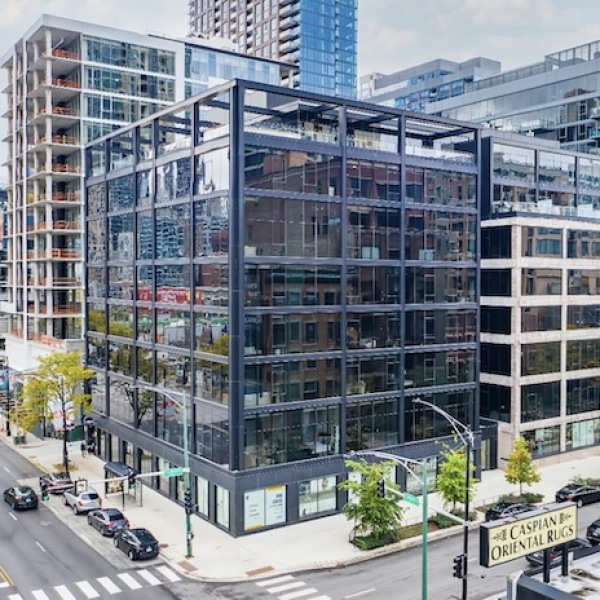
At The Ardus Apartments, we have transformed a former industrial warehouse in River North into stylish, contemporary living spaces. Our apartments blend historic architectural charm with modern conveniences, featuring open layouts, an on-site coffee shop, and a skyline rooftop lounge. Explore our available floor plans today by visiting our Studio Apartments Chicago page and discover your next home in the heart of the city.