

What Is Renovated Warehouse Living — And Why Is Everyone Talking About It?
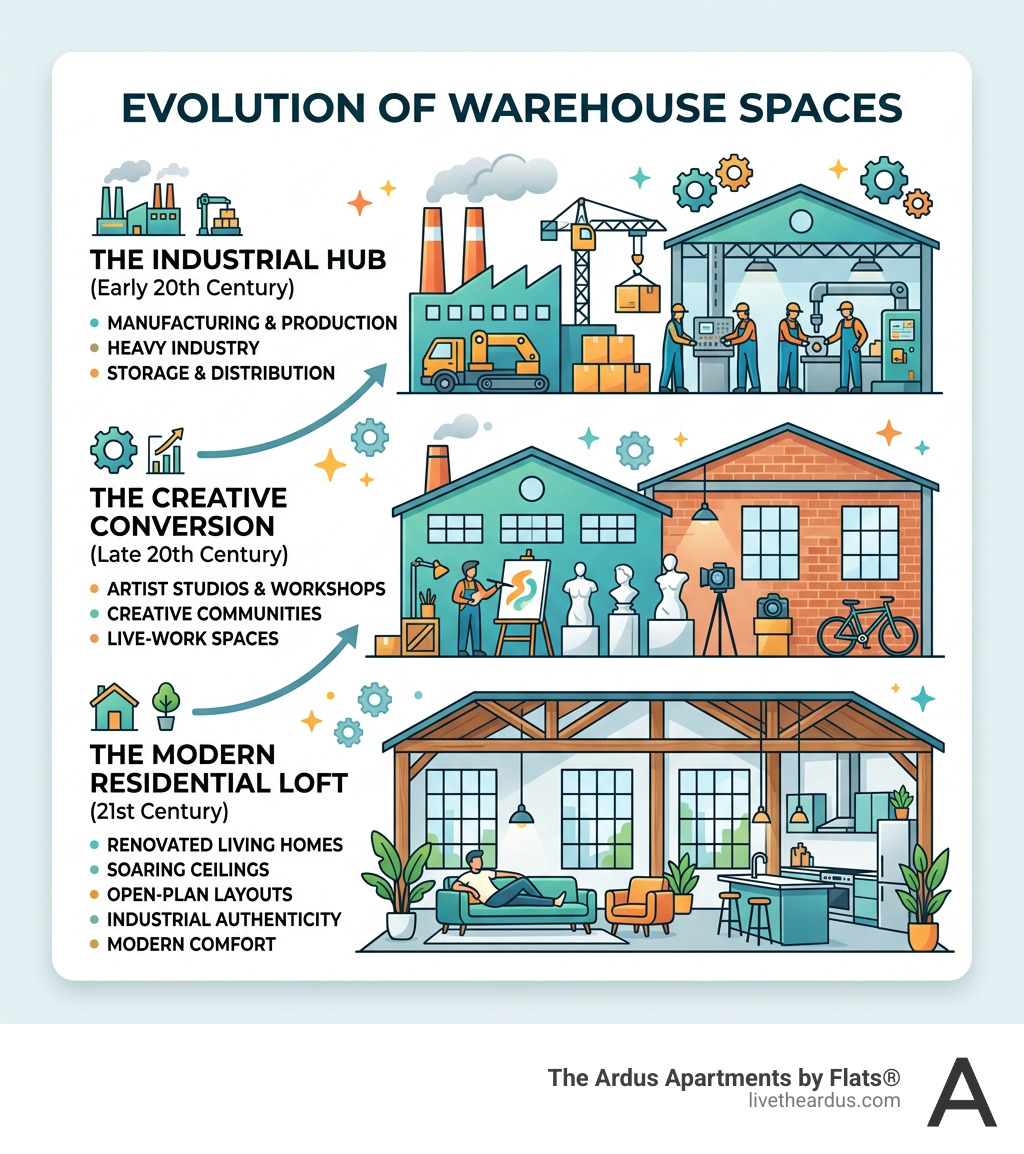
Renovated warehouse living is the practice of transforming former industrial buildings — factories, storage facilities, and manufacturing spaces — into residential homes that preserve their raw architectural character while adding modern comfort. It is an exercise in adaptive reuse that honors the craftsmanship of the past while catering to the lifestyle needs of the present.
Here's what defines it at a glance:
- Soaring ceilings — typically 14 to 20+ feet high
- Exposed structural elements — brick, timber beams, concrete, steel
- Open-plan layouts — large, flexible floor plates with minimal walls
- Factory-style windows — oversized glazing that floods spaces with natural light
- Live-work flexibility — space generous enough to blend home and professional life
- Industrial authenticity — original details that no new build can replicate
There's a reason urban professionals are drawn to warehouse conversions over cookie-cutter apartments. White walls and generic finishes are easy to find. A 14-foot concrete ceiling with a century of history behind it is not. The scale of these buildings allows for a sense of volume and freedom that is rarely found in contemporary residential construction.
The warehouse conversion movement took off in cities like New York and Chicago during the 1980s and 1990s, as manufacturing declined and creative communities moved into vacant industrial buildings. What started as artists seeking open space evolved into one of the most desirable residential styles in urban real estate. These buildings represent the backbone of the city's history, and living in one offers a tangible connection to that heritage.
Today, a well-executed warehouse conversion doesn't ask you to choose between character and comfort. The best ones deliver both — exposed pipework alongside a sleek kitchen, polished concrete floors beneath plush furniture, raw brick walls framing a curated art collection. It is about the juxtaposition of the rugged and the refined.
If you've ever walked into a loft and felt something a standard apartment simply doesn't give you, this guide breaks down exactly what creates that feeling — and how to find it.
Defining the Character of Renovated Warehouse Living
The soul of renovated warehouse living lies in its industrial past. These aren't just buildings; they are artifacts of a city's manufacturing heritage. Whether it was a 1920s rug factory or a mid-century printing press, the building's former life dictates its residential personality.
Architectural authenticity is the "North Star" of these projects. Designers often aim for a "layered" approach, where new interventions sit respectfully atop the original structure. In a Warehouse Loft — modh, you might see thirteen-foot-tall spaces where the original concrete beams and textural brickwork are left lightly polished rather than hidden behind drywall.
This historical charm is found in the details:
- Timber Trusses: Massive wooden supports that often show the marks of original craftsmanship.
- Concrete Beams: Heavy-duty structural elements that provide a sense of permanence and "fortress-like" stability.
- Exposed Structural Elements: Instead of hiding the "bones" of the home, these elements are celebrated as design features.
The Appeal of Renovated Warehouse Living Spaces
Why do we fall in love with these spaces? It usually starts with the "lateral advantage." Unlike traditional homes that stack rooms vertically, warehouse conversions offer massive amounts of lateral space. This makes them ideal for communal living or anyone who finds navigating endless flights of stairs a chore.
The sheer volume of these homes is another major draw. With ceilings often reaching 14 to 17 feet — and sometimes as high as 20 feet — the sense of airiness is unmatched. This verticality allows for live-work flexibility that a standard 8-foot-ceiling apartment simply can't accommodate. You have room for large-scale art, massive bookshelves, and even mezzanine levels that create "rooms within rooms."
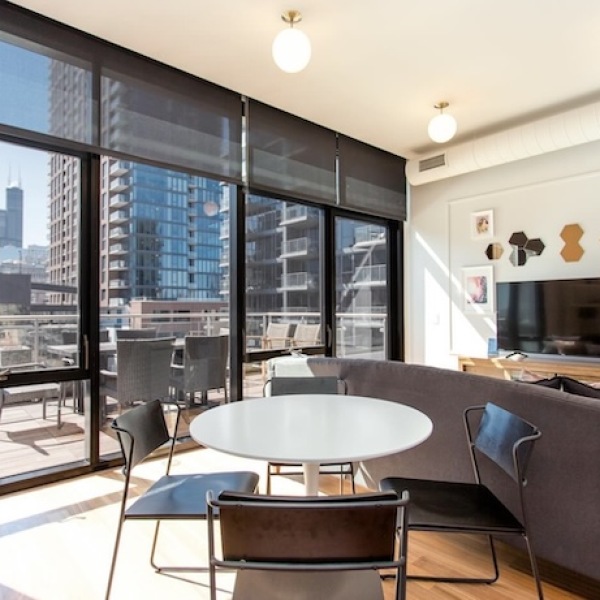
Furthermore, period industrial charm often comes with "light-feeding" windows. These oversized apertures were originally designed to illuminate factory floors before the advent of modern electricity; today, they flood your living room with natural light, making even the largest spaces feel warm and inviting.
Integrating Industrial Heritage into Modern Renovated Warehouse Living
The challenge for modern designers is making a vast, echoey hall feel like a "home." One popular solution is the "boxes within boxes" concept. This involves placing wood-clad volumes inside the larger open space to house technical areas like bathrooms, laundry rooms, or walk-in closets.
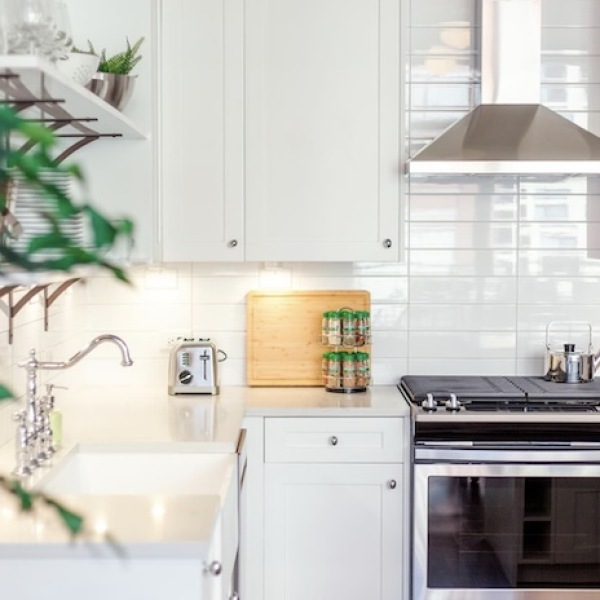
Using materials like walnut cladding adds a necessary touch of organic warmth to balance out the "cold" concrete and steel. In the kitchen, the trend leans toward minimalism. A sleek, black kitchen island or a professional-grade setup provides a sharp, contemporary contrast to the rugged surroundings.
To maintain the flow of light and space, architects often utilize:
- Open Staircases: Steel or wood stairs that don't block sightlines.
- Mezzanine Levels: Elevated platforms that maximize square footage without closing off the "lofty" feel.
- Glass Walkways: A modern touch that allows light to pass between levels while adding a bit of architectural drama.
Signature Architectural Features and Design Elements
If you're hunting for the perfect loft, there are a few "must-have" features that define the aesthetic. Top of the list are factory windows and Crittall doors. These steel-framed glass partitions are the hallmarks of industrial design, offering a graphic, "edgy" look while keeping spaces connected. The thin profiles of these steel frames allow for maximum glass area, ensuring that light penetrates deep into the floor plate. Firms like Knock Architecture & Design often use these to create separate rooms without sacrificing the open-plan vibe.
Floor finishes also play a huge role in the overall atmosphere. Polished concrete is the gold standard for river-north-lofts, providing a seamless, durable surface that reflects light and adds a modern, gallery-like feel to the home. Pair this with exposed pipework and steel staircases, and you have the quintessential industrial-chic palette. These elements, once hidden behind plaster and lath, are now celebrated as sculptural components of the home's interior architecture, showcasing the building's functional history.

Balancing Industrial Rawness with Contemporary Comfort
Living in a warehouse shouldn't feel like living in a factory. To achieve true comfort, designers focus on "softening" the hard edges. This is often done through "zoning" with furniture rather than walls. An oversized rug, a large sectional sofa, and strategic lighting can define a cozy living area within a 1,500-square-foot room.
Technical upgrades are equally important. Because high ceilings can make heating a challenge, many warehouse-style-apartments-chicago now utilize VRF (Variable Refrigerant Flow) HVAC systems. These are often placed directly under large windows to counteract heat loss or gain.
Acoustics are another consideration. To prevent the "echo chamber" effect, residents often use:
- Acoustic Panels: These can be disguised as art or integrated into the ceiling.
- Plush Textiles: Heavy curtains and thick area rugs absorb sound.
- Soundproofing: Modern conversions often include thick layers of insulation and drywall between units to ensure privacy.
Renowned Neighborhoods for Warehouse Conversions
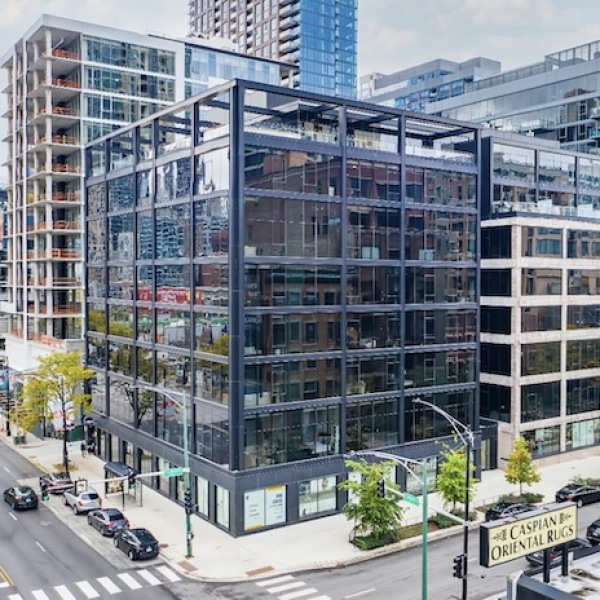
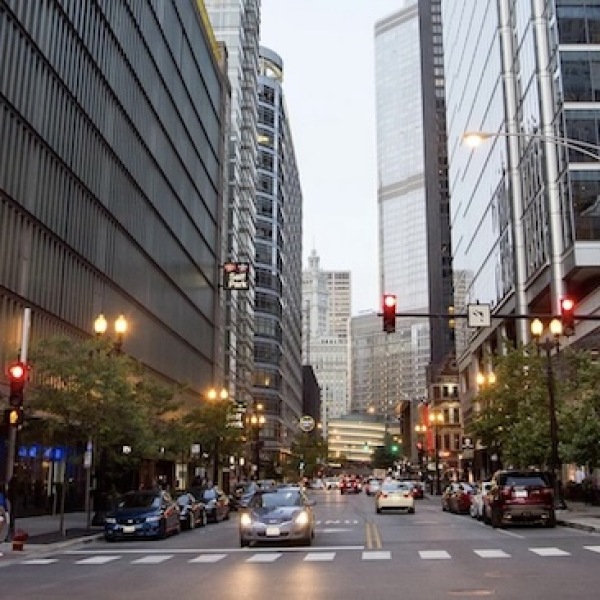
In Chicago, the heart of renovated warehouse living beats in River North and the West Loop. These areas were once the city's industrial engines, filled with shipping hubs and manufacturing plants. Today, they are premier destinations for luxury lofts. The river-north-loft-apartments-complete-guide highlights how this neighborhood combines historic "hard lofts" - featuring original timber beams and Carnegie steel stamps - with some of the city's best dining and nightlife. The West Loop offers a similar vibe, having evolved from a meatpacking district into a world-class culinary and residential hub.
Beyond Chicago, other iconic neighborhoods have set the standard for this lifestyle. In San Francisco, the SoMa (South of Market) district features massive concrete warehouses converted into tech-friendly lofts that emphasize open-plan living. Similarly, the Pearl District in Portland has transformed from a neglected rail yard and warehouse zone into a vibrant community defined by its cobblestone streets and brick-and-timber conversions. These neighborhoods prove that industrial preservation is a global movement toward more soulful urban living, where the architecture tells a story of the city's evolution.
Frequently Asked Questions about Warehouse Living
How do you maintain exposed brick walls in a loft?
Exposed brick is beautiful, but it can be a "dust magnet" if not properly cared for. The secret is sealing the brick with a breathable, matte-finish sealant. This prevents the mortar from crumbling (spalling) and makes the surface easy to wipe down. Avoid "wet look" sealants, as they can ruin the natural, historic aesthetic of the masonry. Regular vacuuming with a brush attachment can also keep the texture looking sharp without damaging the surface.
Are warehouse lofts suitable for work-from-home lifestyles?
Absolutely. In fact, they might be the best residential type for WFH. The open floor plans allow you to create a dedicated office zone that doesn't feel like a cramped closet. Many residents use lofts-in-west-loop-chicago to set up mezzanine-level offices, providing a clear physical separation between "work mode" and "home mode" while keeping a visual connection to the rest of the space. The abundance of natural light also helps maintain productivity and mood throughout the day.
What are the best ways to heat large industrial spaces?
Heating a room with 15-foot ceilings requires strategy. VRF systems are highly efficient for these volumes, as they provide precise climate control. Additionally, using ceiling fans (set to rotate clockwise in winter) helps push warm air back down to the living level. Strategic furniture placement away from large glass panes and the use of chicago-loft-rentals with modern, insulated window retrofits can also significantly improve thermal efficiency and overall comfort during the colder months.
Conclusion
At The Ardus Apartments by Flats®, we've embraced the art of the conversion. We've taken a historic River North warehouse and transformed it into a living space that honors its past while providing the modern amenities you expect — from a rooftop lounge with skyline views to an on-site coffee shop for your morning brew.
If you're tired of the same old white-walled apartments and crave a home with history, texture, and soul, it's time to look upward. Explore our renovated warehouse spaces and find a home that's as unique as you are.