

What to Know Before Searching for Studio Apartments in Chicago
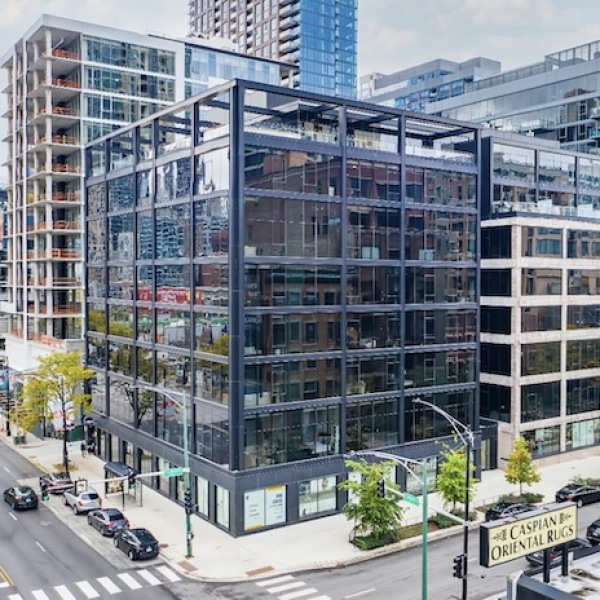
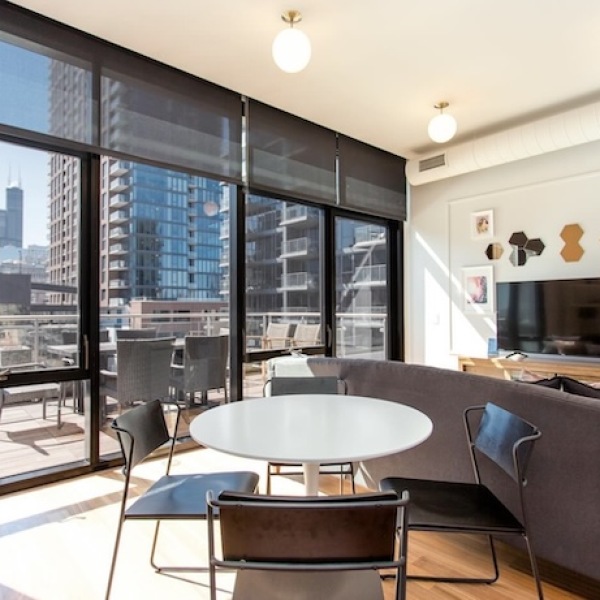
Searching for studio apartments in Chicago means sorting through a wide range of layouts, building styles, and neighborhood settings. From downtown towers to renovated industrial buildings and classic walk-ups, the city offers many studio formats that fit different living preferences and daily routines.
Types of Studio Housing in Chicago:
| Building Type | Features | Location Examples |
|---|---|---|
| Modern High-Rises | Contemporary amenities and city views | River North, West Loop |
| Historic Conversions | Industrial charm and unique layouts | Near West Side, South Loop |
| Neighborhood Walk-ups | Residential feel and local character | Lakeview, Hyde Park |
Chicago also has multiple housing pathways that renters may come across during their search, including privately managed apartments, city-supported developments, and properties connected to public housing or voucher-based programs. Because of that, it helps to understand not just the unit itself, but also how the building is operated, how applications are reviewed, and whether there are any special occupancy or documentation requirements.
Availability can shift quickly in a competitive rental market. Some buildings update openings daily, while others manage interest through inquiry lists, lotteries, or formal waitlists. Keeping track of neighborhoods, property types, and official housing resources can make the process easier to follow.
This guide explains the major studio apartment options in Chicago, what to expect during the application process, and where to look for reliable housing information.
Understanding Studio Apartment Options in Chicago
Navigating the search for studio apartments in Chicago requires an understanding of the city's diverse areas and the different housing systems that operate across them. Private management companies, city housing initiatives, and public agencies can all play a role in how units are marketed, assigned, and leased.

Managed Properties and City Programs
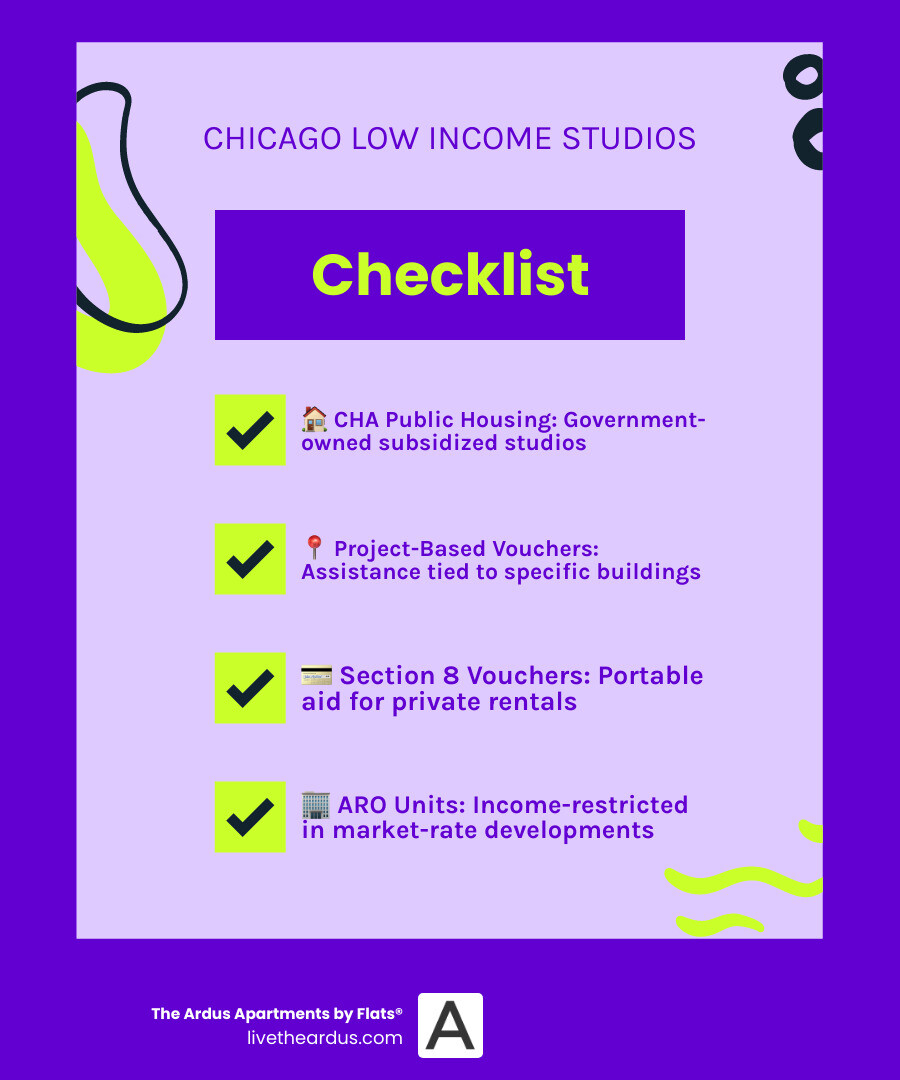
Chicago features a broad mix of managed properties, including market-rate buildings, mixed-income developments, and residences connected to city or housing authority programs. In some cases, newer developments are required to reserve a share of apartments under local housing rules. In others, buildings may participate in voucher-based programs or operate with public oversight.
That means studio seekers may encounter several terms during their search, such as Project-Based Vouchers, public housing, mixed-income communities, or Affordable Requirements Ordinance units. Each category can come with its own application steps, eligibility standards, and occupancy guidelines.
Properties tied to city initiatives are often located in well-known neighborhoods, including River North, the West Loop, South Loop, and other areas with strong transit access and established residential infrastructure. For renters trying to identify participating buildings, the Affordable Rental Housing Resource List - City of Chicago is a useful starting point because it helps narrow down which properties are connected to official housing programs.
In practice, understanding how a building is categorized can save time. A professionally managed apartment building may accept applications directly through its leasing office, while a city-linked property may require added documentation, periodic recertification, or placement through a separate administrative process. Reviewing the listing details closely before applying is one of the most effective ways to avoid confusion.
Eligibility and Application Requirements
Before you can sign a lease for a studio apartment in Chicago, you must meet the property's specific requirements. These standards can differ from building to building, especially when a unit is part of a public or city-supported housing program rather than a conventional rental listing.
Screening and Documentation
Meeting the initial criteria is the first step. Most properties require a screening process designed to confirm identity, verify application details, and ensure the applicant can complete the lease process. This typically includes:
- Information Certification: Applicants may be asked to provide pay stubs, tax returns, benefit letters, government-issued identification, or other paperwork used to confirm the details on the application.
- Background and Credit Checks: Many rental programs review credit history and conduct a background check as part of standard screening.
- Property Policies: Some buildings have additional internal procedures, which can include interviews, document updates, or other approval steps required before move-in.
It is also common for housing providers to request clarification if an application is incomplete or if submitted records do not match. Staying organized with digital copies of key documents can make this part of the process much smoother.
For more information on the standard rental process, our Chicago Apartment Rentals Ultimate Guide offers additional context.
The Application Process and Availability
If you find a studio that fits your needs, the next step is the application. Staying organized and responding quickly to requests for documentation can help you move through the process more efficiently.
Timelines and Availability
Availability for studio units in Chicago can vary significantly by building, neighborhood, and program type. Some properties maintain formal waitlists, some reopen applications only during specific periods, and others lease units as they become available. In privately managed buildings, the first qualified applicant to complete the process often secures the lease. This is why staying active on sites like Studio Apartments Chicago is helpful during the search.
For buildings connected to housing programs, timelines may look very different. There may be additional review stages, eligibility verification, document collection, or unit-matching procedures before a lease can be finalized. Because of that, it is important to confirm with the property or program administrator how their process works instead of assuming all buildings follow the same model.
How to Check Availability and Schedule Tours
To check availability, consider these steps:
- Online Portals: Use official property websites or management portals to review current openings and application instructions.
- City Datasets: Regularly review city housing resources for updates on participating properties and program-linked units.
- Direct Contact: For units in private buildings, reach out to the leasing office directly. Staff can often clarify current availability, application steps, and required documents.
When a unit is available, scheduling a tour is a standard part of the search. Tours can help you evaluate layout efficiency, storage, natural light, building access, and shared amenities before you apply. In some cases, tours may be offered virtually as well as in person, depending on the building's process.
Essential Features and Building Amenities
Living in a studio apartment in Chicago provides access to quality features and modern conveniences. Many units are built to high standards, offering efficient layouts.
Standard Studio Features
In many studio apartments in Chicago, you will find features designed for efficiency and accessibility. Common features across these developments include:
- Kitchen and Bathroom Adaptations: Modern fixtures and functional layouts.
- Elevator Access: Many multi-story buildings include elevator service.
- Utility Options: Some properties include specific utilities in the monthly agreement, which can simplify household management.
If having a washer and dryer nearby is a priority, check out our list of Studio Apartments with In-unit Laundry to see which buildings offer this convenience.
Pet Policies and Community Spaces
Most Chicago apartments have a two-pet limit per apartment. While many buildings are welcoming, specific breed restrictions often apply. Always confirm the pet policy with the leasing office before applying.
Beyond the four walls of your studio, community spaces are a big part of the draw. Many buildings offer access to:
- Rooftop Lounges: Areas for relaxation with views of the city.
- Fitness Centers: On-site exercise facilities.
- On-site Services: Some properties have resident coordinators to assist with building-related needs.
For more on navigating life with a pet in the city, see our Pet-friendly Studio Apartments Complete Guide.
Neighborhoods and Housing Resources
Chicago is a city of neighborhoods, and studio apartments are available across many of them. Whether you want a central location close to downtown activity or a more residential setting, it helps to compare building types, transportation access, and daily conveniences across several parts of the city.
Targeted Resources
Some housing resources are tailored to specific populations, including seniors and veterans. Certain developments or programs may identify a target audience, and official resource lists can make it easier to locate those buildings. If you are searching in a high-demand area with a dense mix of towers, adaptive reuse properties, and managed apartment communities, our Studio Apartments River North Ultimate Guide can help you understand that local market.
Chicago neighborhoods often differ in building age, street layout, transit patterns, and the mix of residential and commercial space. River North is known for converted warehouse buildings and high-rise living, while areas such as Hyde Park, South Shore, and East Garfield Park may feature a different blend of mid-rise properties, courtyard buildings, and neighborhood-scale developments. Looking at several areas at once can broaden your options and reveal building styles you might not have considered initially.
Official Resources
The City of Chicago provides several housing-related resources for residents through the Department of Housing. These materials can help renters review participating developments, learn how different programs function, and identify points of contact for additional questions. City Hall and the department's official website remain important reference points during a housing search.
For renters who are also open to alternative layouts, exploring Cheap Lofts for Rent in Chicago can provide another view of the local rental landscape, especially in neighborhoods with industrial conversions and larger open-plan spaces.
Frequently Asked Questions about Chicago Studios
What is the typical wait time for a studio unit?
Wait times vary depending on the specific property, neighborhood, and housing program. Some buildings may maintain long waitlists, while others may have units available on a rolling basis. The most reliable approach is to check directly with the property or through official city housing resources.
Are utilities included in studio apartments?
Many properties include certain utilities like gas and water in the monthly agreement. Some units may also include electricity. Always ask the leasing agent or property manager for a clear breakdown of utility responsibilities before signing a lease.
How do I find housing designed for specific populations?
Applicants can filter property lists by target audience on official city housing resource pages. Various residences across the city are designed for specific demographics, and official housing resource lists are often the best place to identify them.
Conclusion
Finding studio apartments in Chicago requires persistence and organization. Whether you are looking in a bustling neighborhood like River North or a quieter area, knowing the local market is essential.
At The Ardus Apartments, we love the energy of Chicago living. Our building in River North captures that classic Chicago spirit by transforming a former warehouse into a modern residential space. While we focus on providing a blend of historical charm and contemporary features—like our rooftop lounge and on-site coffee shop—we know that every renter's journey is different.
If you're ready to start your next chapter in the city, keep these resources handy and you'll find the perfect Studio Apartments Chicago to call home.